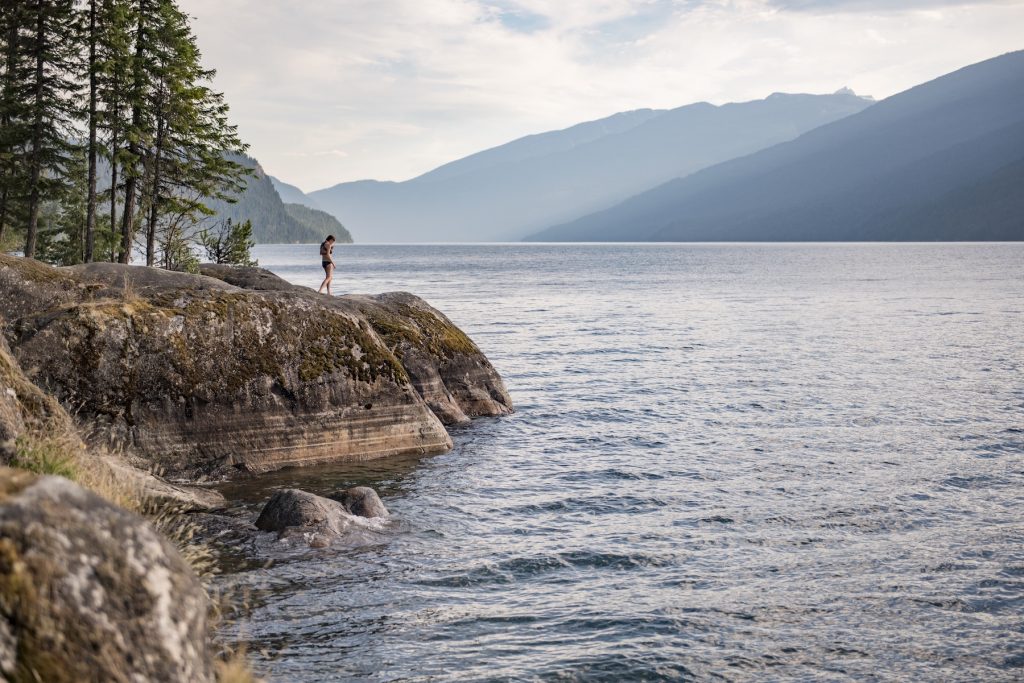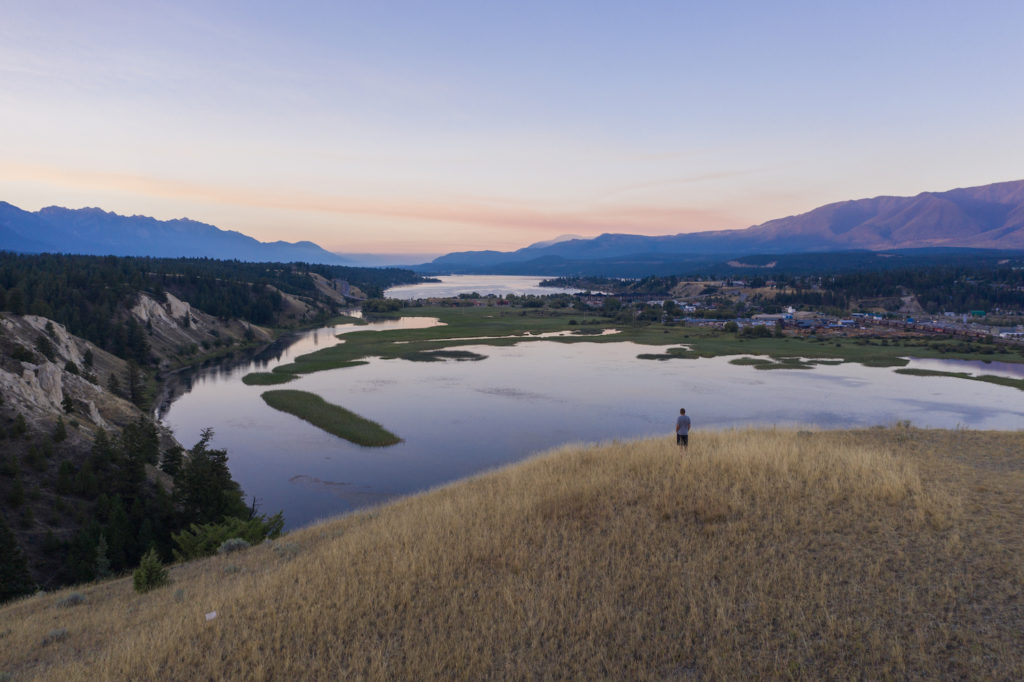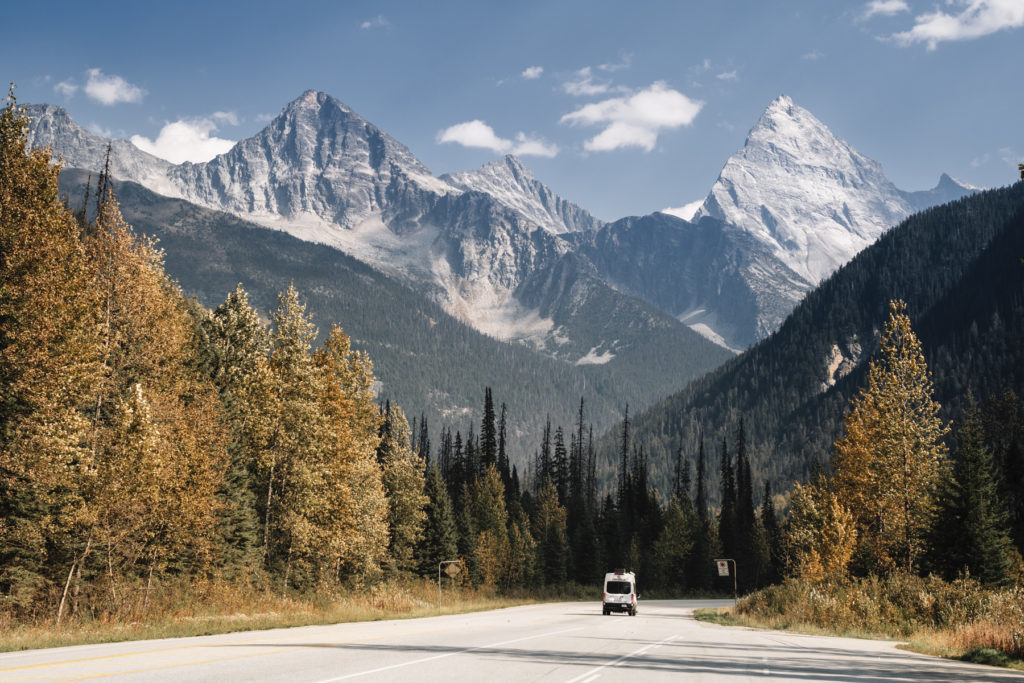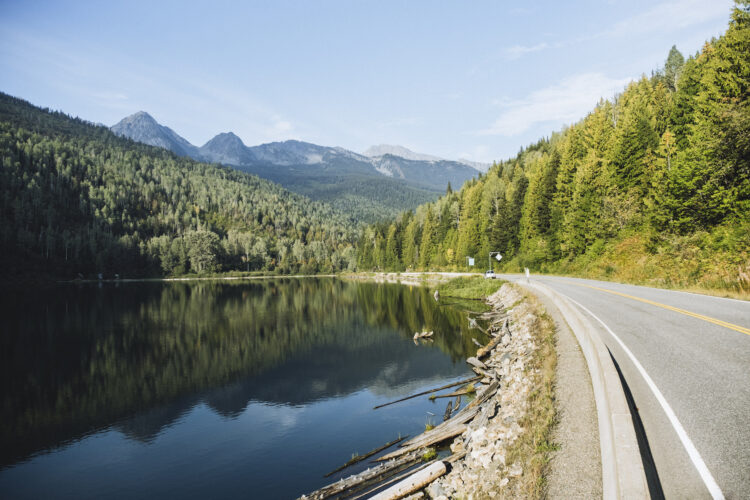
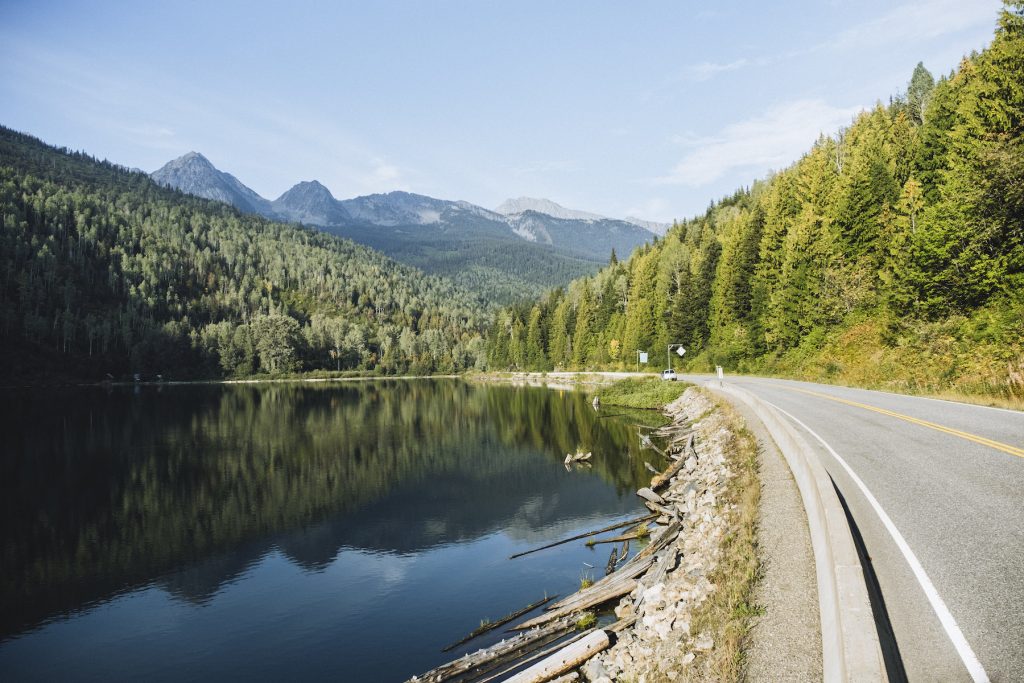

Hit the road on an unforgettable EV adventure through the Kootenays as we showcase our community’s sustainable visitor initiatives and experiences. Wind through mountain passes, alongside sparkling lakes, visit/play in the locally maintained trail systems – while using the convenient EV charging stops, making the trip so worthwhile. Covering approximately 800-km (500-mi), this journey blends sustainable travel with family-friendly outdoor adventure experiences.
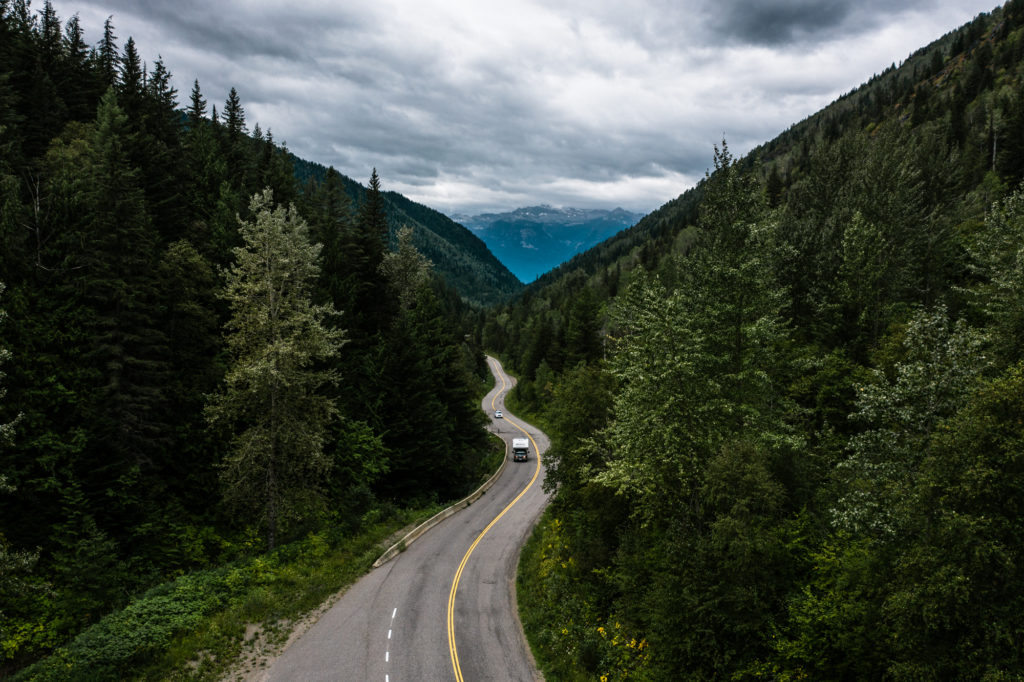
You can begin the route anywhere in the southeast corner of British Columbia, also known as the Birthplace of Adventure, for this story we’ll begin in the Elk Valley (just a short 2.5-hour drive from Calgary/Calgary International Airport). Travellers arriving at Calgary International Airport (YYC) can rent an electric vehicle (EV) – please book in advance, since rental companies have a smaller selection available compared to gasoline-powered vehicles.
The Kootenay Rockies region was the first destination in Canada to implement a community-driven strategy for developing a clean transportation network in a rural setting through the Accelerate Kootenays initiative. Today, more than 40 EV charging stations are available across the southeast corner of British Columbia, making it easier than ever for electric vehicle travellers to explore the region with confidence. Visitors can plan their journey using the PlugShare app or website to locate EV charging stations in communities, accommodation properties, and businesses.
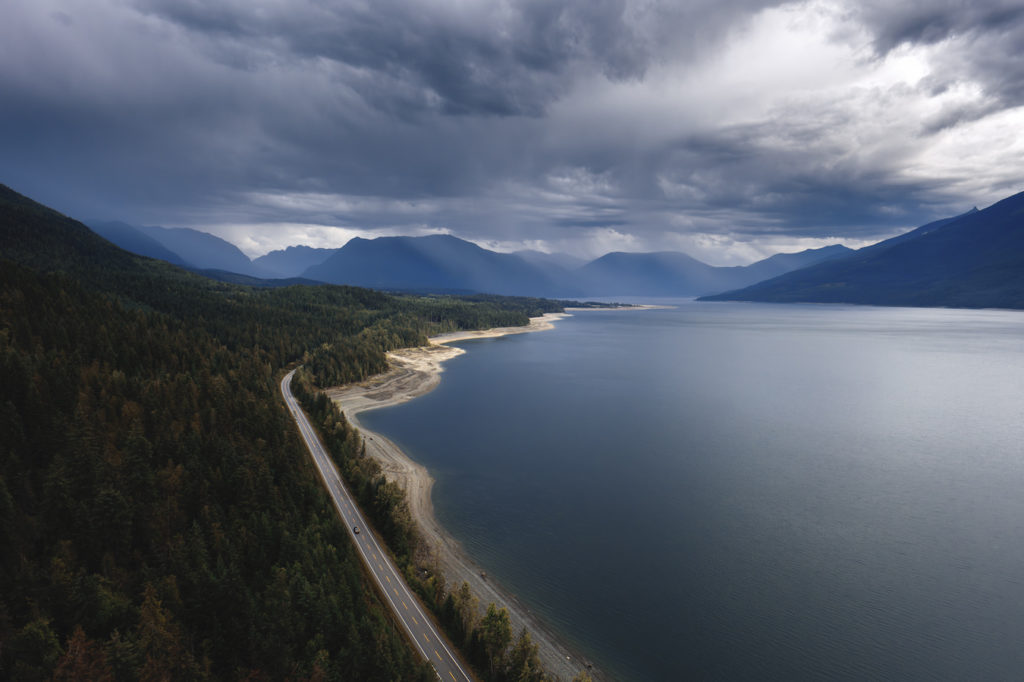
ELKFORD & SPARWOOD
Elkford, known as the ‘Wilderness Capital of BC’ offers access to pristine wilderness areas like Elk Lakes and Height of the Rockies provincial parks, where visitors can enjoy hiking, camping, photography, and wildlife viewing while practicing responsible outdoor stewardship. Visitors can also discover a variety of front-country adventures in Elkford and Sparwood, from scenic hiking and mountain biking trails to fishing, paddling, and exploring the historic landscapes of the Elk Valley.
FERNIE
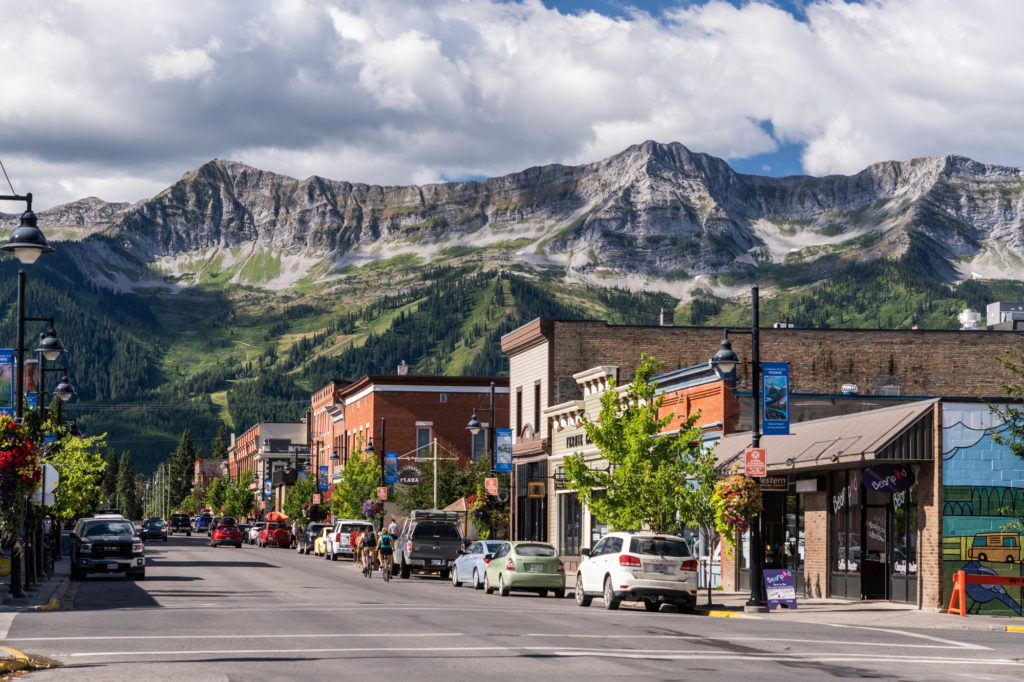
Fernie has established itself as one of the region’s leader in sustainable mountain tourism by investing in initiatives that protect its natural environment while enhancing the visitor experience.
Key achievements include GreenStep Bronze Certification, recognizing the community’s commitment to sustainable tourism; and, the AmbassadorWILD® stewardship program, which educates visitors on responsible recreation and Leave No Trace principles.
Plus, investments in sustainable infrastructure, including composting toilets, enhanced trail signage, shoreline restoration, and improved river access; and the continued expansion of walking and cycling networks that encourage low-carbon transportation throughout the community.
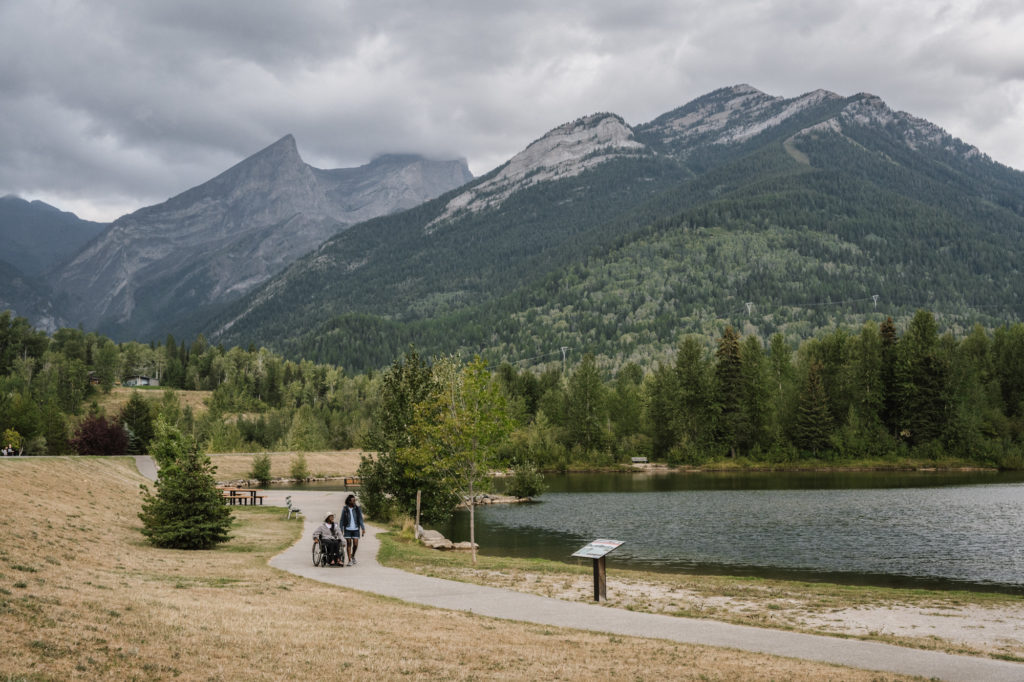
Ride/walk the Fernie Valley Pathway, a scenic multi-use trail connecting downtown with the ski resort, allowing visitors to explore without a vehicle (rent an e-bike & ride the ‘Riverside trails’ with minimal environmental impacts. Wander through old-growth forests near Island Lake Lodge, alpine meadows and local waterfall (Fairy Creek Falls). The Elk River is internationally recognized for catch-and-release fly fishing. Enjoy a peaceful paddle along the Elk River or at Island Lake. And, explore Fernie’s downtown historic centre on-foot.
CRANBROOK
Explore Cranbrook’s Community Forest, with over 2,000 hectares of protected forest and an extensive trail network for hiking, trail running, mountain biking, snowshoeing, and wildlife viewing. Stay on designated trails to help protect native ecosystems. And, cycle the NorthStar Rails to Trail, a converted rail corridor connecting Cranbrook to Kimberley. It’s a low-impact trail to experience forests, wetlands, and mountain scenery.
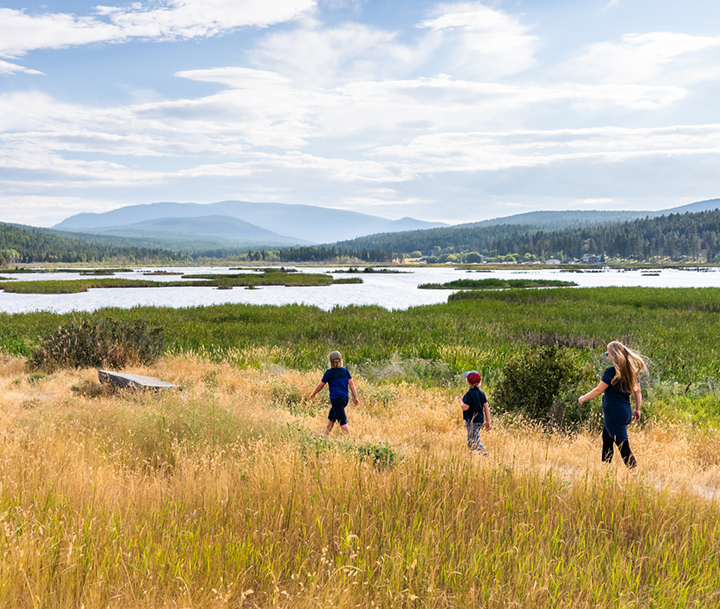
And, visit the Elizabeth Lake Bird Sanctuary, a peaceful wetland with accessible boardwalks and viewing platforms. Discover migratory birds, turtles, and native plants while learning about wetland conservation. Bring binoculars and enjoy wildlife responsibly.
KIMBERLEY
The community has emerged as a destination for e-bike and adaptive cycling experiences, offering a diverse trail network, stunning mountain landscapes, and a commitment to inclusive outdoor recreation. Through the Electrify the Mountains Project, Kimberley has enhanced and expanded trail infrastructure to accommodate Class 1 pedal-assist e-bikes, adaptive trikes, and traditional mountain bikes. The project introduced 36-km of new and improved trails in the Kimberley Nordic Centre area, providing riders of all abilities with more opportunities to explore the community’s natural landscapes through sustainable, low-impact recreation.
The Kimberley Nature Park provides visitors with access to one of Canada’s largest municipal parks (840-hectare, with over 50-kms of trails), featuring an extensive network of non-motorized trails for hiking, mountain biking, wildlife viewing, and year-round outdoor recreation. Managed in partnership with the Kimberley Nature Park Society, the park reflects a strong commitment to community stewardship, conservation, and the protection of local ecosystems while offering sustainable recreation opportunities.
CRESTON
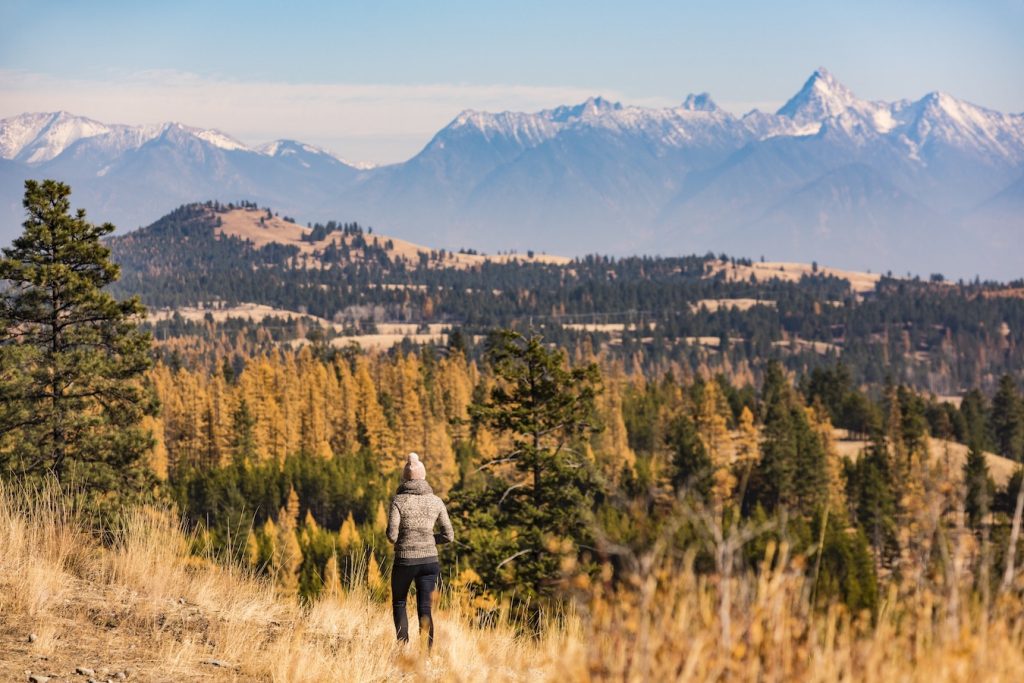
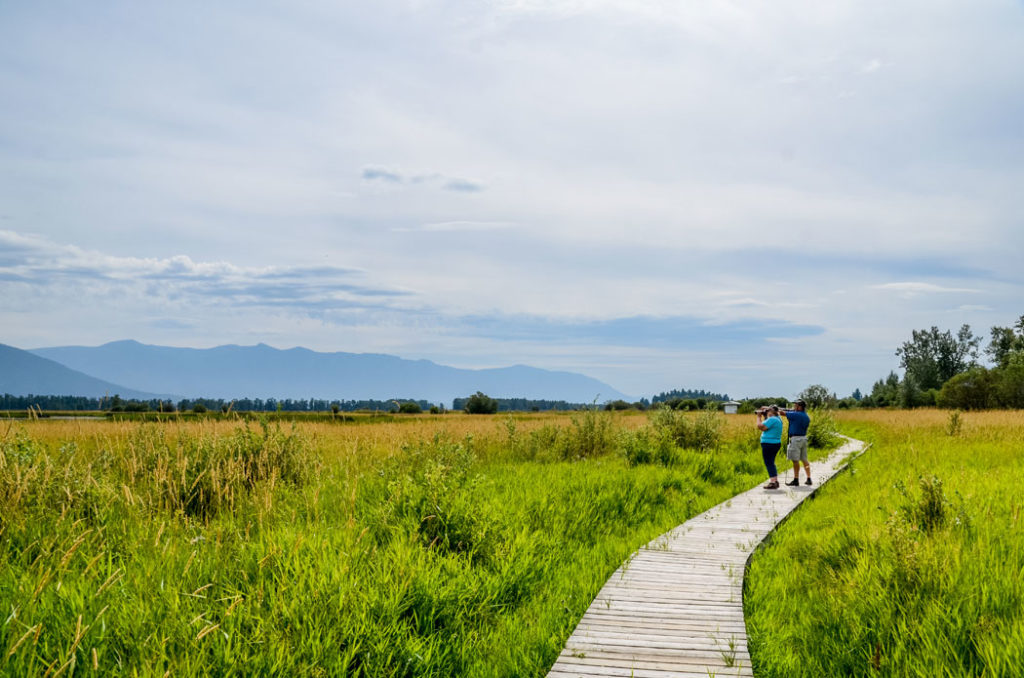
Experience one of British Columbia’s largest protected wetlands at the Creston Valley Wildlife Management Area. Supporting hundreds of bird and wildlife species, the area combines conservation, education and responsible recreation, inviting visitors to enjoy birdwatching, canoeing, kayaking, scenic nature trails and wildlife photography.
Connect with the Creston Valley’s agricultural community through authentic farm and food experiences. One of British Columbia’s most fertile farming regions, the valley invites visitors to support local growers by exploring the Creston Valley Farmers’ Market, stopping at roadside fruit stands, visiting seasonal U-pick orchards, sipping the wines of the four wineries and participating in farm tours when available.
Discover the benefits of organic farming at Kootenay Meadows, a certified organic, grass-fed dairy. Visit the farm store, learn about the farm’s sustainable production practices, and their locally home-made cheeses and dairy products. Every purchase supports local food production and environmentally responsible farming.

CRAWFORD BAY
Explore Crawford Bay’s renowned artisan studios, where visitors can watch skilled craftspeople at work, learn about traditional techniques, and purchase locally handcrafted products. Supporting local artisans helps preserve time-honoured craftsmanship while contributing to the community’s vibrant creative economy. And, discover the natural beauty of Crawford Creek Regional Park by exploring the wetland trails, paddling the sheltered waters of Kootenay Lake, or relaxing on the beach. These low-impact outdoor experiences encourage visitors to connect with nature while supporting the protection of this area’s sensitive ecosystems.
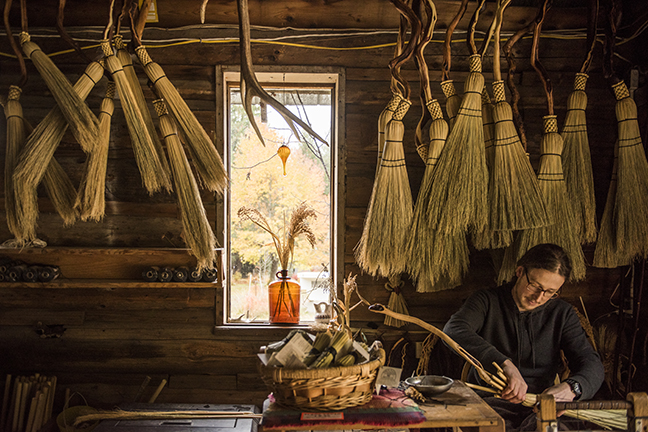
SALMO
Experience the authentic rural character of the Salmo Valley by visiting seasonal farmers’ markets, shopping at local farm stands, cycling the Great Northern Rail Trail, and exploring the alpine landscapes of Stagleap Provincial Park. Visit Salmo Valley’s local farms (Clutch Farm, Forest Farm Sheep and Goat Cheese Creamery and Meadow Farm/Kootenay Sprouts) to purchase fresh, locally produced food, including seasonal vegetables, organic greens, artisan sheep and goat cheeses, and farm-fresh eggs. Supporting these producers helps strengthen the local food system while promoting sustainable and regenerative farming practices.
NELSON KOOTENAY LAKE
The Nelson & District Chamber of Commerce supports local businesses in advancing sustainability initiatives through its two-person Green Team, which provides guidance and resources focused on climate action, energy efficiency, and responsible business practices. The team helps local businesses reduce waste, improve recycling and composting, adopt sustainable procurement practices, engage employees and communities in climate action, and implement recommendations from sustainability assessments. Through these efforts, the Chamber is helping foster a more resilient and environmentally responsible business community in Nelson and the surrounding areas.
Follow the puppet adventures of Ranger Rick, a knowledgeable and outdoors-savvy local, and Naughty Nick, a well-intentioned but inexperienced visitor, as they guide you through six engaging and informative video modules. Whether you’re hiking, skiing, paddling, or simply enjoying the scenery, these videos provides the practical tips and resources you need to travel responsibly, respect the environment, and be a welcomed guest in their communities.
Whitewater Mountain Resort has made sustainability a core part of its operations, recognizing that protecting the natural mountain environment is essential to its long-term success. Through initiatives focused on reducing emissions, minimizing waste, and supporting the community, the resort continues to advance its sustainability goals. In 2022, Whitewater began using Ecobase software to measure its carbon footprint and identify opportunities for future climate action, supported by a sustainability consultant and internal Green Team.
Local operators, including Kootenay Backcountry Guides and Summit Mountain Guides, provide responsible mountain experiences through expert guidance, safety education, and ‘leave-no-trace’ inspired practices that encourage stewardship of the natural environment.
In Kaslo, the SS Moyie National Historic Site provides visitors with an opportunity to explore the region’s transportation and community heritage through the preservation and interpretation of Canada’s oldest intact passenger sternwheeler. Heritage tourism initiatives like this support cultural preservation while offering meaningful, educational experiences that connect visitors to the stories and history that have shaped the region.
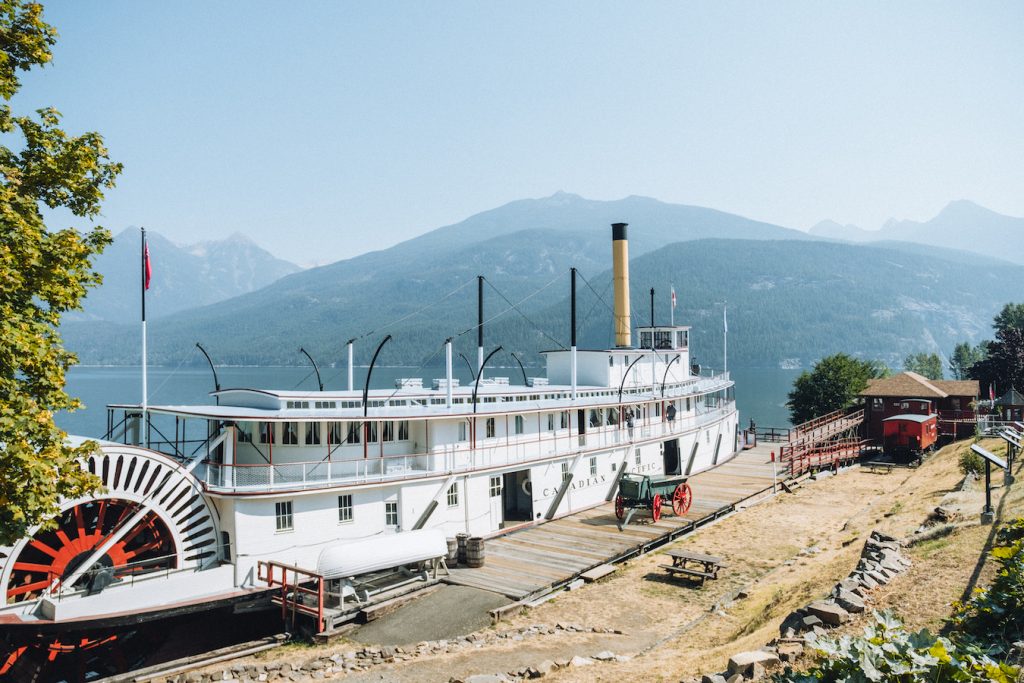
From regenerative farms and local food producers to guided mountain adventures and lake-based exploration, Nelson Kootenay Lake offers authentic visitor experiences that showcase the area’s deep connection to nature, community, and responsible travel.
CASTLEGAR
The annual Castlegar Sculpturewalk provides a unique, walkable experience that showcases outdoor public art throughout downtown Castlegar. The self-guided exhibition invites visitors to explore the community on foot while celebrating local, regional & international artists, fostering creative expression, and enhancing connections between art, place, and community.
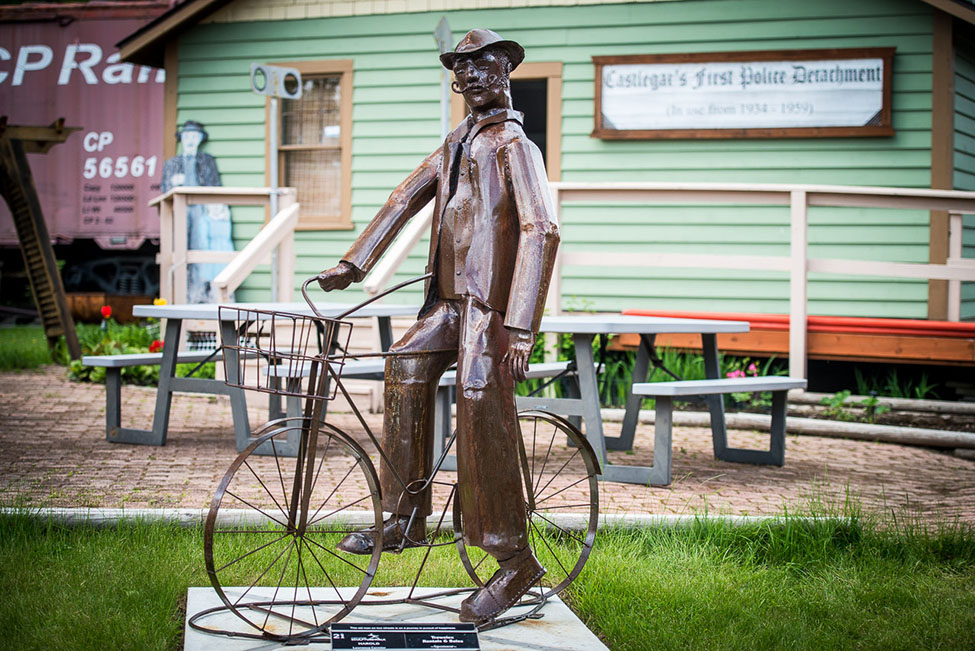
Visitors can cross the historic suspension bridge to the Zuckerberg Island Heritage Park, explore scenic riverside pathways, and discover the area’s Doukhobor heritage through the Station Museum. This low-impact experience seamlessly blends cultural learning, conservation, and outdoor recreation, offering visitors a meaningful connection to Castlegar’s legacy.
ROSSLAND & TRAIL
Rossland’s extensive non-motorized trail network offers visitors a sustainable way to experience the region’s natural landscapes while minimizing environmental impact. Managed by the Kootenay Columbia Trails Society, the network includes more than 180-km of singletrack trails supporting mountain biking, hiking, trail running, snowshoeing, and cross-country skiing. Through responsible trail design and maintenance practices, the Society helps reduce erosion, protect sensitive ecosystems, and promote long-term stewardship of the surrounding environment.
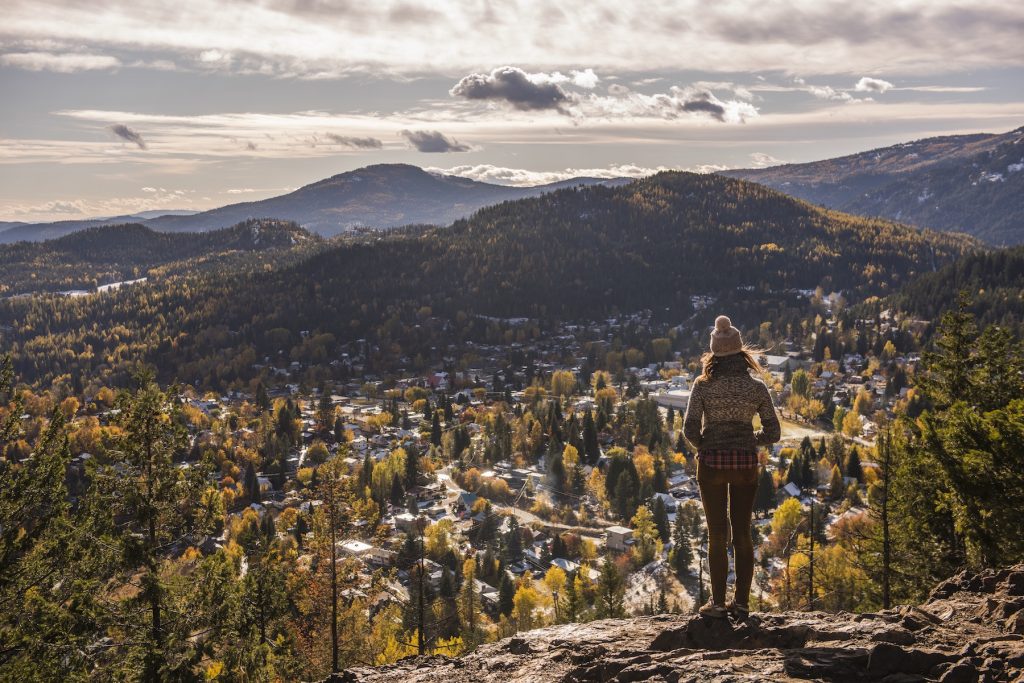
The Columbia River Skywalk in Trail provides an accessible, low-impact transportation and recreation connection across the Columbia River, supporting both pedestrians and cyclists as part of The Great Trail network. The multi-use structure encourages visitors to explore the river corridor by foot, bike, or mobility device while connecting parks, neighbourhoods, and community amenities along the waterfront.
SLOCAN VALLEY
With the communities of Crescent Valley, Vallican, Winlaw, Slocan, Silverton, New Denver & Three Forks/Sandon they offers meaningful sustainable experiences, from regenerative farming and habitat restoration to forest wellness. Visitors can tour working farms like Caspian Acres (Slocan), explore seasonal U-pick experiences at local regenerative farms such as Against The Wind Farm & Gardens (Winlaw), or reconnect with nature through guided forest therapy with Rerooting Forest Therapy. Elk Root Conservation’s (Vallican) demonstration farm also showcases habitat restoration, pollinator conservation, and environmental education.
The Slocan Valley Rail Trail is a 50+ km non-motorized recreation trail stretching from Crescent Valley to Slocan, inviting visitors to explore the region by foot or bike. Winding through forests, alongside rivers, and connecting charming rural communities, the trail offers a low-carbon way to experience the natural beauty and culture of the Slocan Valley.
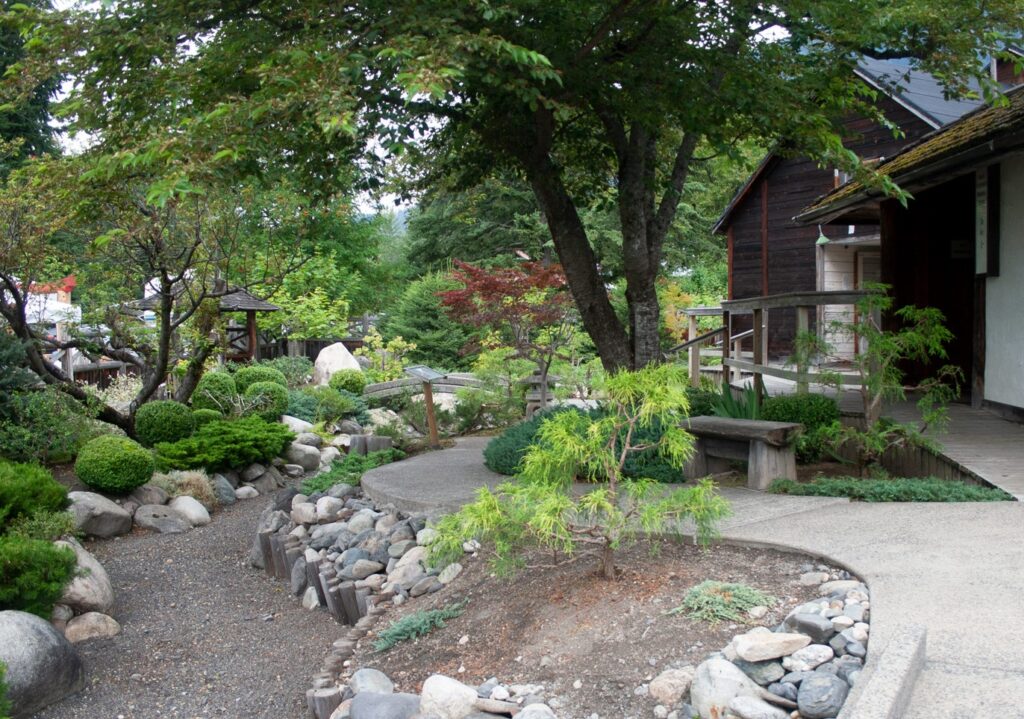
The Nikkei Internment Memorial Centre offers a meaningful cultural tourism experience, preserving and interpreting the history of Japanese Canadian internment during the Second World War. Located in New Denver, the Centre stands on the site of a former internment camp and shares the personal stories, artifacts, photographs, and lived experiences of those who were forcibly displaced from the British Columbia coast. Through self-guided tours, exhibits, heritage buildings, and educational programming, visitors gain a deeper understanding of this significant chapter in Canadian history while reflecting on themes of resilience, human rights, and reconciliation.
NAKUSP
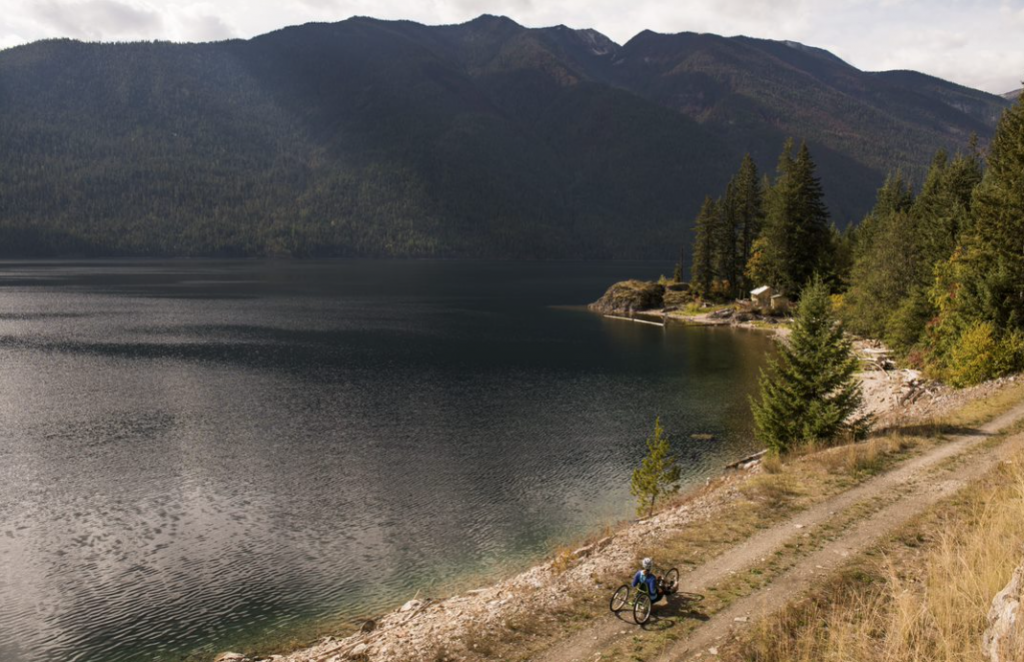
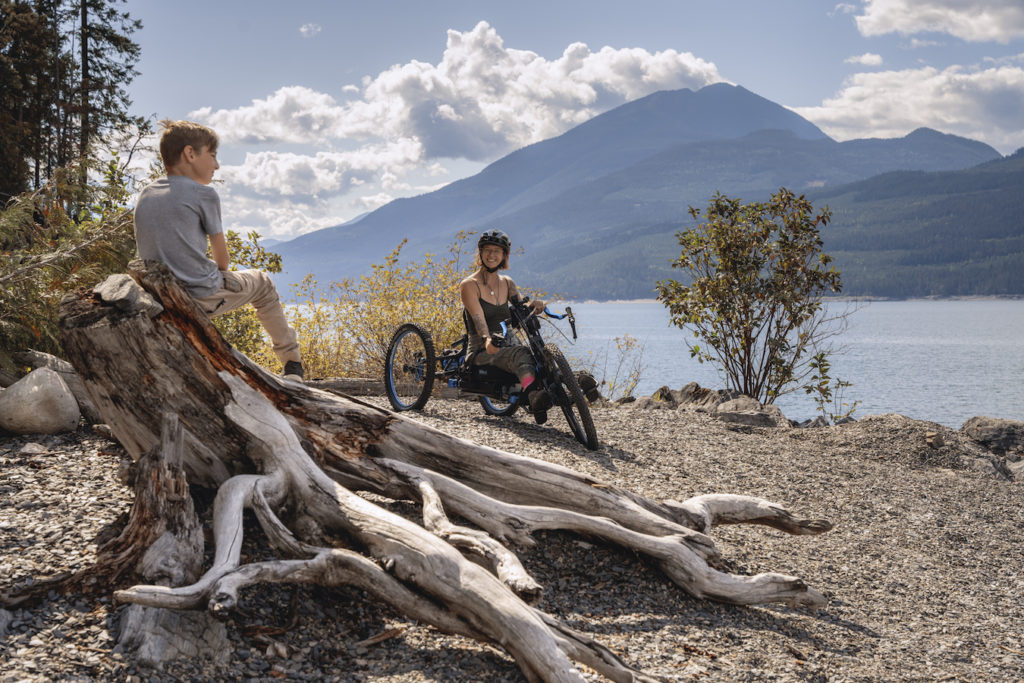
The Mt. Abriel Recreation Trail network located just north of Nakusp, is a benchmark for inclusive mountain biking in British Columbia. Its purpose-built trail network was thoughtfully designed to accommodate adaptive mountain bikes while providing an enjoyable riding experience for cyclists of all abilities.
If you’re seeking a natural hot spring experience rather than a developed resort, Halfway River Hot Springs is one of British Columbia’s most remarkable destinations. Located between Nakusp and Revelstoke, this off-the-grid retreat features naturally heated mineral water flowing into a series of rock-lined pools along the banks of the Halfway River. The pools, built from locally sourced rock and fed by geothermal springs, offer varying water temperatures that range from comfortably warm to hot. Please ensure you practice ‘Leave no Trace’ by packing out everything you bring in, staying on designated trails, respecting wildlife, and leaving the landscape exactly as you found it so future visitors can enjoy it too.
REVELSTOKE
Revelstoke has emerged as one of British Columbia’s foremost examples of a destination actively balancing outdoor recreation with environmental stewardship and community well-being. Rather than focusing solely on eco-tourism offerings, the community promotes responsible travel through its “Sustain the Stoke” initiative, which encourages low-impact recreation, support for local businesses, respect for wildlife, and waste reduction. Tourism Revelstoke’s long-term vision is to ensure that tourism delivers benefits to residents in equal measure to visitors.
Revelstoke’s Thanksgiving Back initiative gives visitors the opportunity to become part of the community by volunteering with local organizations on registered projects. As a thank-you for giving back, participants who book two or more nights of accommodation during the event can be reimbursed for their stay, up to $400. It’s a meaningful way to connect with the community, make a positive impact, and experience Revelstoke beyond the typical visitor experience.
Re-Fest is one of Revelstoke’s most unique community sustainability events, inviting visitors and locals to rethink waste through hands-on experiences. Held annually in late May, the free festival celebrates the four R’s – Reduce, Reuse, Repurpose and Recycle – with a fun, community-focused atmosphere that makes sustainable living accessible for everyone.
Several other local events celebrate culture, recreation, and the environment while supporting local organizations, including the Luna Fest, Revelstoke Farmers’ Market, REVY Live Outside, Revelstoke Wildflower Festival, and the Upper Columbia Sinith Canoe Journey. Together, these events showcase local culture while encouraging responsible visitation.
One of the best sustainable experiences is simply slowing down and appreciating the park’s incredible biodiversity. Mount Revelstoke National Park offers opportunities to walk through subalpine wildflower meadows, hike designated trails that protect fragile alpine ecosystems, learn about inland rainforest ecosystems, and follow wildlife viewing guidelines that help protect bears, mountain caribou, and other species.
GOLDEN
Golden encourages visitors to explore responsibly through guided, educational experiences that deepen connections to the region’s natural and cultural heritage. These experiences help disperse visitation beyond high-use areas, support the protection of sensitive ecosystems such as the Columbia Wetlands, and foster a greater understanding of local conservation efforts. Community planning also recognizes conservation-focused tourism and environmental education as key priorities for ensuring the region’s long-term environmental, cultural, and economic sustainability.
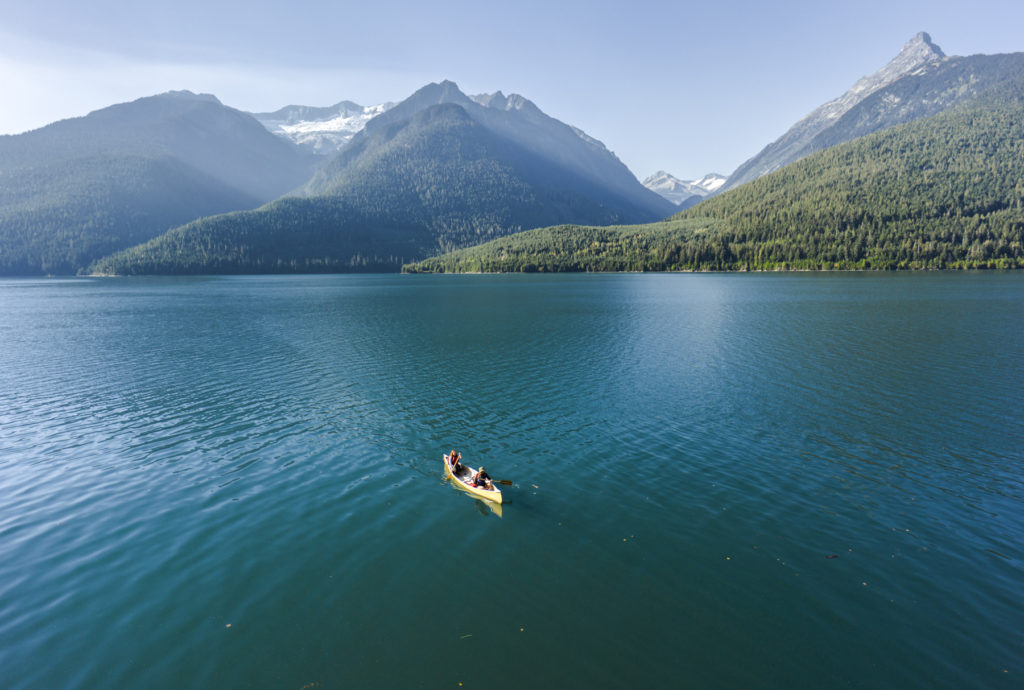
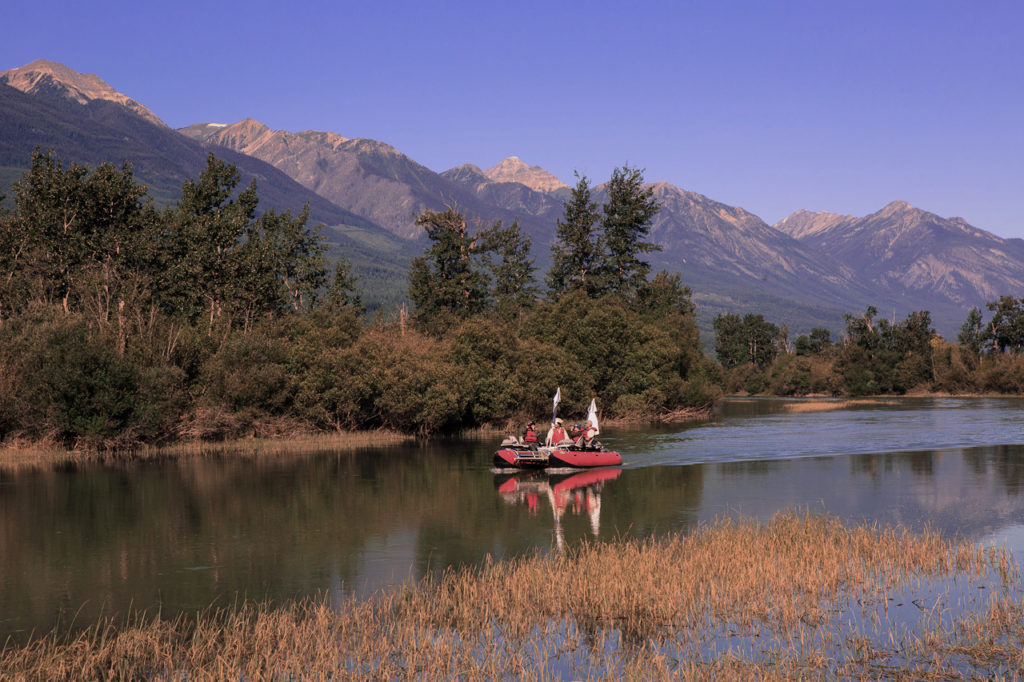
The Columbia Wetlands Outpost offers visitors an opportunity to explore one of North America’s largest intact wetlands, the Columbia River, by canoe, kayak, e-canoe, or on a guided cataraft experience, offering a unique opportunity to discover the area’s rich biodiversity and natural landscapes.
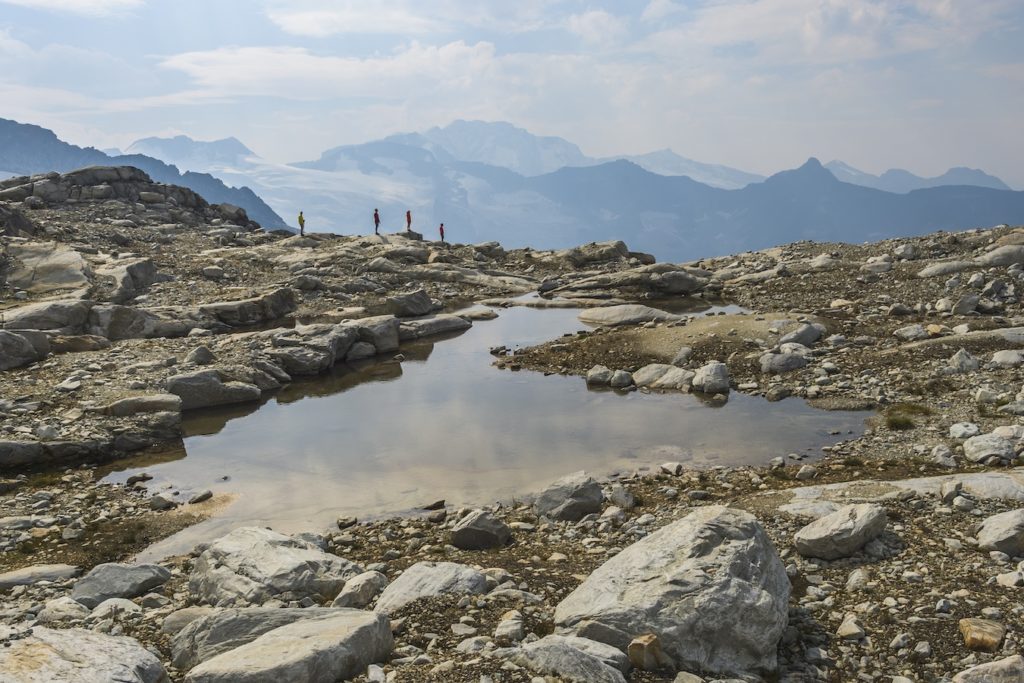
Located between Revelstoke and Golden, Canada’s Glacier National Park offers sustainable ways to experience one of the country’s most spectacular alpine landscapes. Visitors can explore frontcountry and backcountry camping, scenic short walks, challenging day hikes, mountaineering routes, and backcountry ski touring while practising responsible recreation. By staying on designated trails, respecting wildlife, and following Leave No Trace principles, travellers can help protect the park’s fragile ecosystems while experiencing its dramatic mountain scenery.
Reflection Lake is an easy-access wetland ideal for birdwatching and photography, offering visitors a chance to connect with nature while supporting conservation. The site features a wildlife viewing platform, educational interpretation, habitat restoration initiatives, and community events. It’s an excellent stop for families or visitors seeking a shorter nature experience while helping protect sensitive habitats.
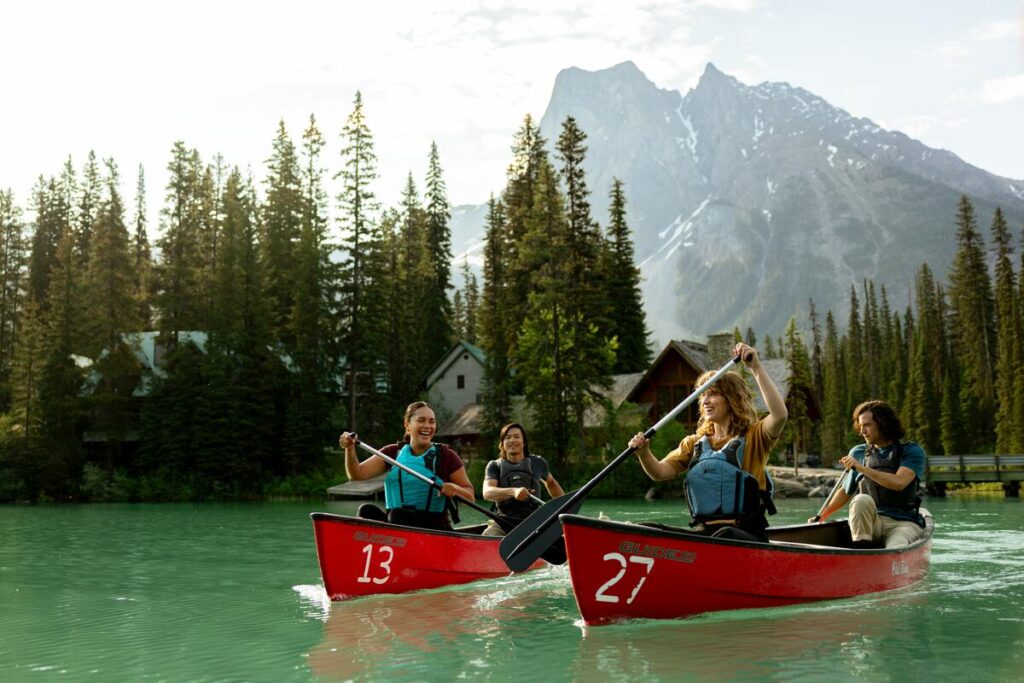
Yoho National Park offers sustainable ways to experience the Canadian Rockies through protected alpine adventures, guided fossil experiences, responsible wildlife viewing, and low-impact exploration. From the turquoise waters of Emerald Lake to the dramatic landscapes of the Yoho Valley, visitors are encouraged to slow down, stay on designated trails, and help protect the park’s unique ecosystems for generations to come.
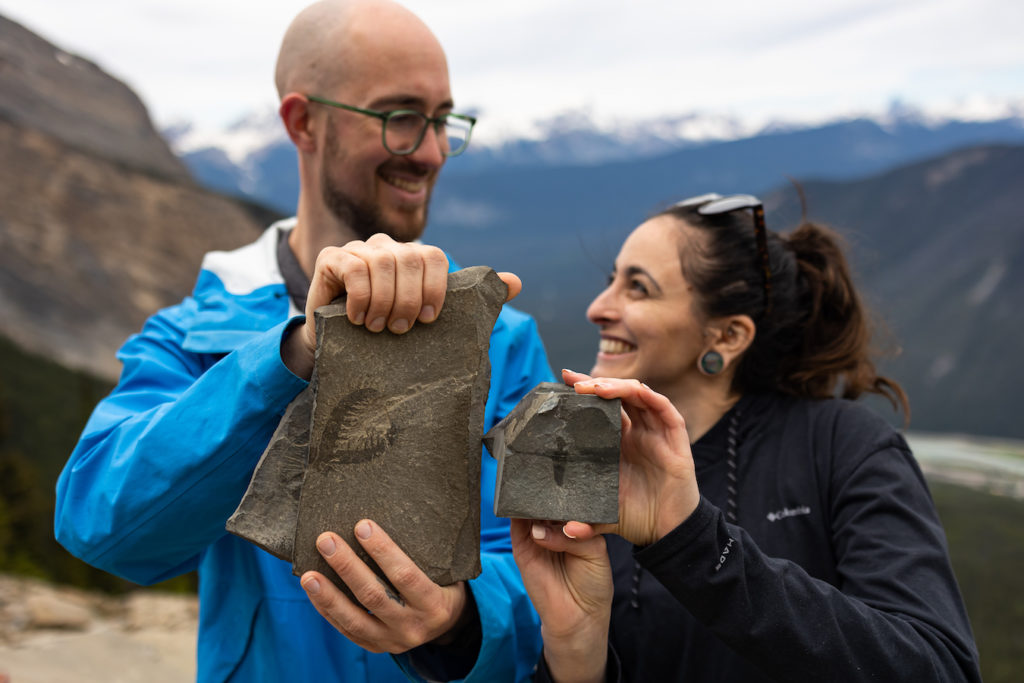
Discover the stories behind the mountains. Join a Parks Canada guided hike to the Burgess Shale (Mount Stephen & the Walcott Quarry in Yoho and Stanley Glacier in Kootenay National Park). Imagine holding fossils that reveal life from over 500 million years ago. These remarkable remains tell the story of an ancient marine world, offering a glimpse into the origins of life and the connections between past and present ecosystems.
RADIUM HOT SPRINGS
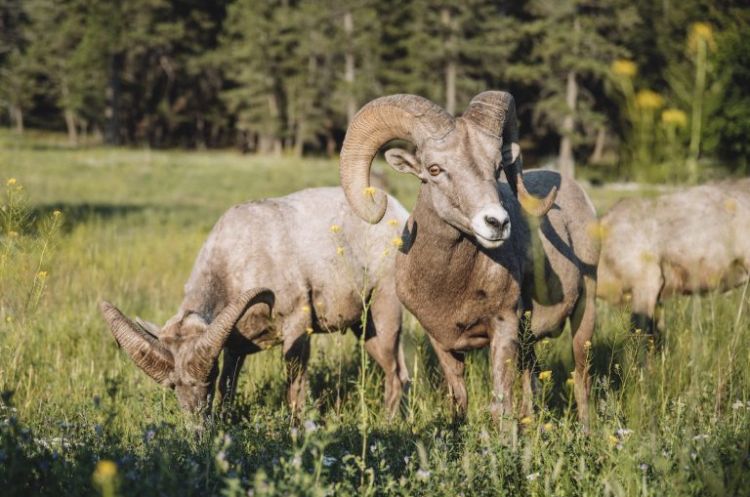
Famous for its resident bighorn sheep, along with elk, deer, black bears, and many bird species, Radium Hot Springs sits on the western border to Kootenay National Park in the Canadian Rockies. Please follow, responsible wildlife viewing by observing animals from a distance, never feeding wildlife, using binoculars instead of approaching animals, and driving slowly through wildlife corridors. These simple practices help protect wildlife, support natural behaviours, and keep visitors safe.
Kootenay National Park is committed to ecological restoration, wildlife protection, Indigenous partnerships, and climate resilience. Visitors can hike designated trails, visit the Paint Pots cultural landscape, enjoy short interpretive walks, and learn about ecosystem restoration projects taking place throughout the park. The park encourages visitors to stay on marked trails, respect wildlife, and follow ‘Leave No Trace’ principles to help protect this remarkable landscape.
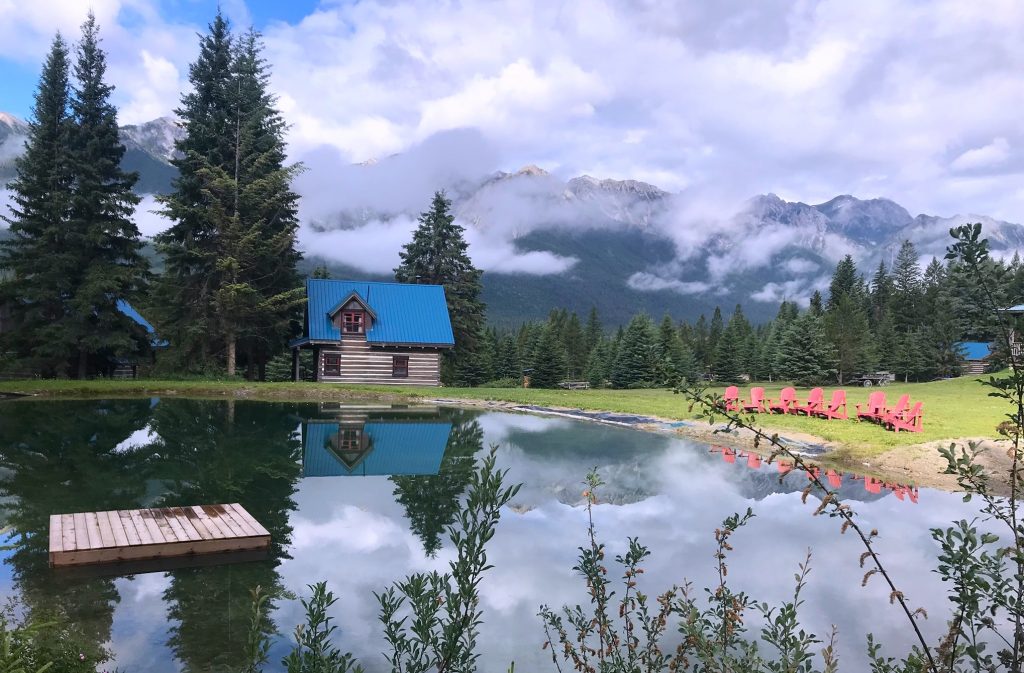
For travellers seeking sustainable accommodations, Nipika Mountain Resort is one of British Columbia’s premier eco-lodges. Located about 30-minutes from Radium Hot Springs on the edge of Kootenay National Park, the resort features off-grid solar-powered cabins, extensive cross-country ski and hiking & mountain biking trails, habitat stewardship initiatives, and trail maintenance partnerships with Recreation Sites and Trails BC. It’s an excellent example of tourism supporting conservation, responsible recreation, and connection to nature.
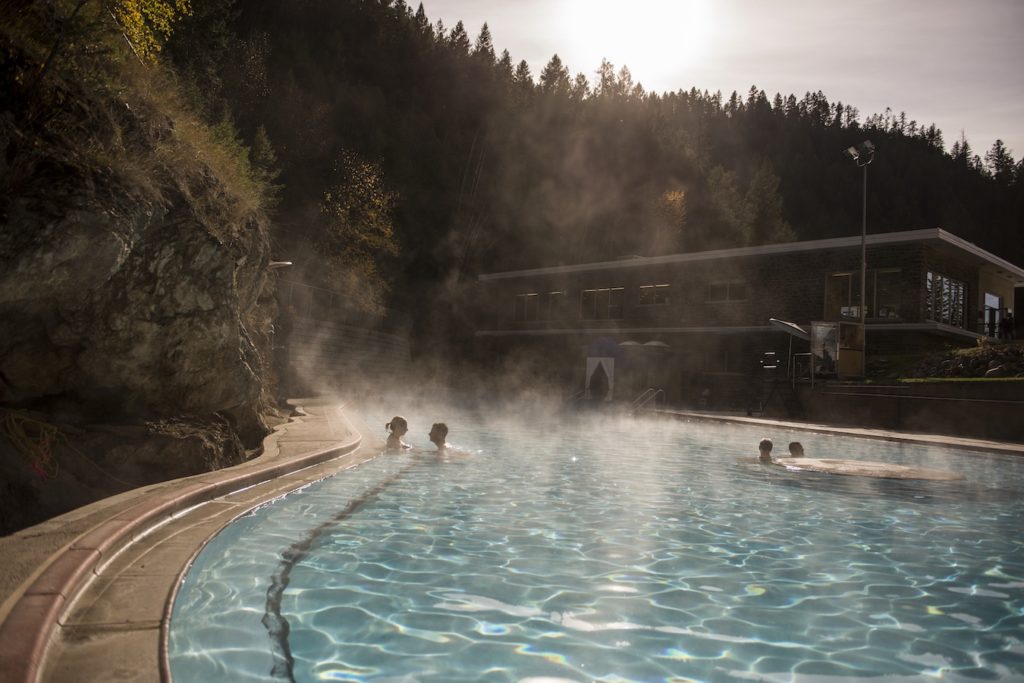
Radium Hot Springs offers a classic wellness experience within Sinclair Canyon/Kootenay National Park. The historic pools are operated by Parks Canada and provide a low-impact way to connect with the natural landscape after hiking or mountain biking. Recent upgrades have improved accessibility while preserving the site’s heritage value, allowing visitors to enjoy a relaxing experience that blends wellness, history, and appreciation for the surrounding environment.
COLUMBIA VALLEY
One of Panorama Mountain Resort’s sustainable-tourism initiative is the protection of the whitebark pine, an endangered tree species found throughout the resort’s alpine terrain. Whitebark pine is a keystone species that supports wildlife, stabilizes steep slopes and helps regulate snowpack and mountain watersheds. The species has declined dramatically due to white pine blister rust, mountain pine beetle, climate change and other pressures.
For more than 20 years, Panorama Mountain Resort has partnered with the Whitebark Pine Ecosystem Foundation of Canada to help restore this endangered tree. Each summer, healthy trees are selected for seed collection, with cones caged to protect them from wildlife. Once harvested, the seeds are grown into seedlings for future restoration efforts.
The Columbia River begins in Canal Flats, then flows north before looping south past Revelstoke, Arrow Park and Castlegar, eventually reaching the Pacific Ocean in Oregon and Washington. The surrounding wetlands are also excellent for birdwatching and quiet wildlife viewing, with opportunities to spot herons, bald eagles, songbirds and owls. Nearby, the east-side of the Columbia Lake Wildlife Management Area protects nearly 6,900 hectares of important wildlife habitat.
The Columbia Wetlands are a standout sustainable tourism experience in Invermere. Visitors can explore this internationally significant ecosystem by canoe, kayak or SUP with Columbia River Paddle. The 17-km Invermere-to-Radium paddle offers an easy-flowing journey through the wetlands – combining adventure, nature and conservation in one memorable experience.
Another signature experience is Fairmont Hot Springs, where naturally heated mineral waters create a distinctive nature-based wellness experience. The resort positions itself as a sustainable, community-inspired wellness destination with sustainability integrated into its mission.
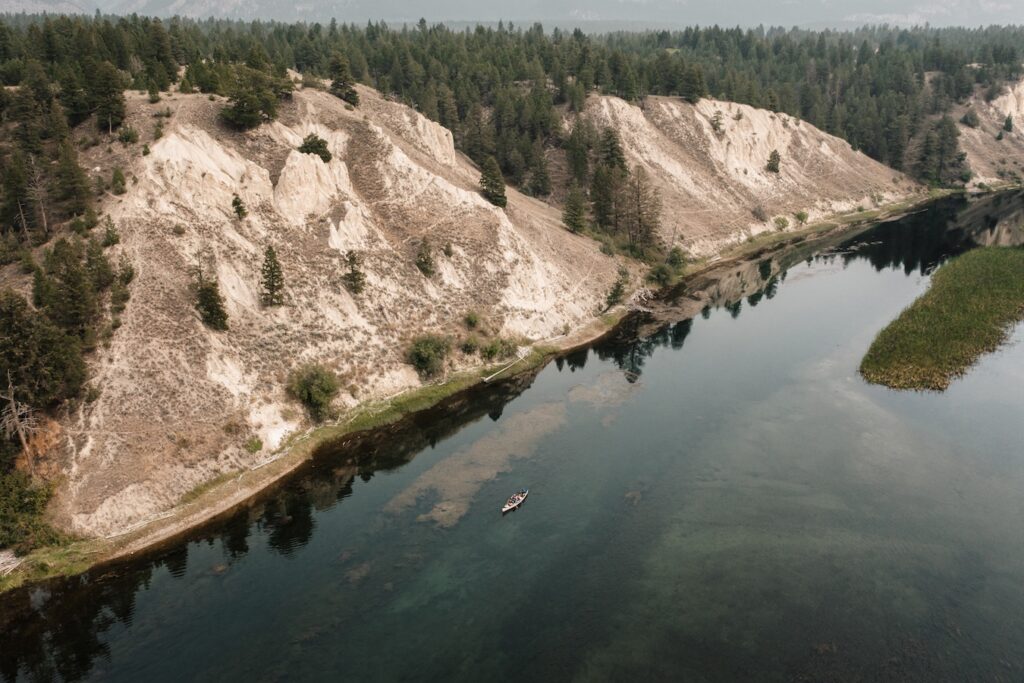
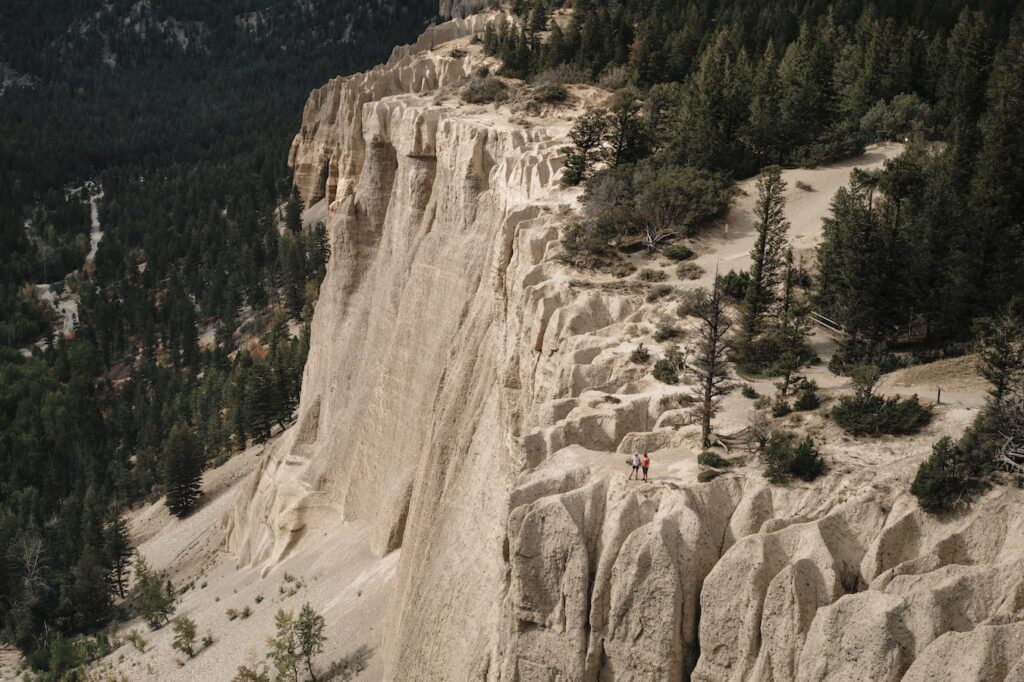
The Hoodoos (in Fairmont Hot Springs) offer another distinctive geology, hiking and conservation experience. Located on conservation lands associated with the Nature Trust of British Columbia, the site adds a meaningful stewardship story to the dramatic landscape. From a sustainable-tourism perspective, it’s a great example of how visitors can explore a unique natural environment while gaining a greater appreciation for its protection.
The wetlands around Invermere are ideal for slow, nature-based wildlife experiences, with chances to spot bald eagles, osprey, herons, beavers and moose along the Pacific Flyway. The Wilmer Wetland Hike offers an easy way to explore on foot, with guided tours by Playwest Mountain Experiences available spring through fall.
The Columbia Valley’s agricultural landscape offers another strong sustainable-tourism story. Edible Acres/Winderberry, near Windermere, connects visitors with local food production through farm and greenhouse experiences, seasonal ingredients and locally produced food. Other opportunities include farm visits, U-pick activities and seasonal workshops.
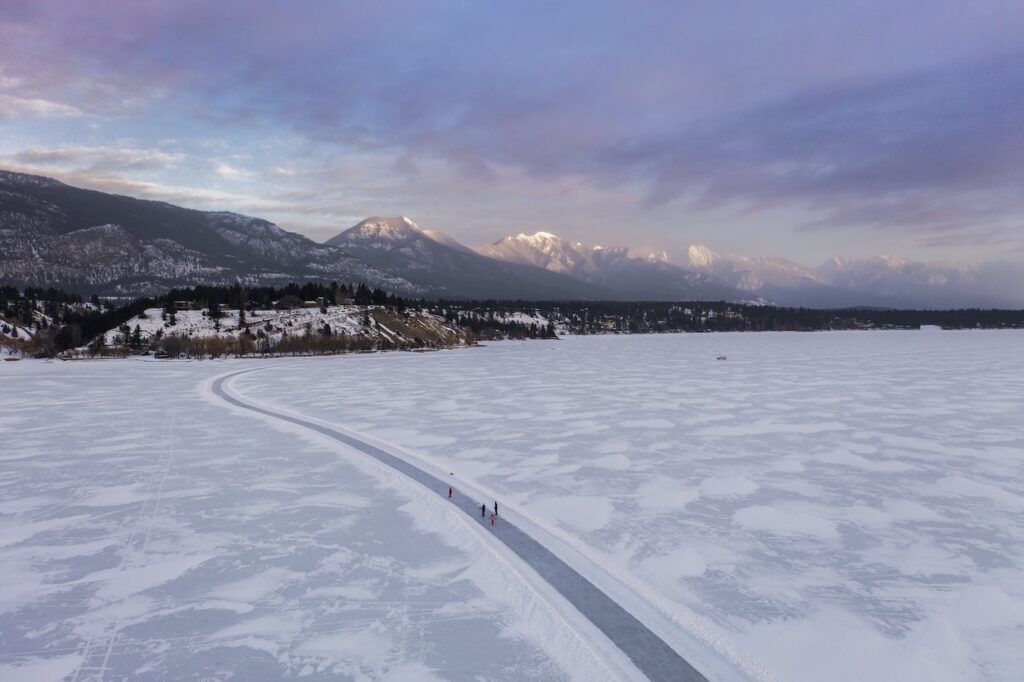
One of Invermere & Windermere’s most distinctive sustainable tourism experiences is the The Whiteway on Lake Windermere – which connects the two communities. In winter, the frozen lake becomes a unique venue for skating, cross-country skiing and fat biking – offering an unforgettable outdoor experience. A 30+ km (approx. 21-mi) groomed multi-use track, certified as the world’s longest skating path by Guinness World Records.
KORE – KOOTENAY OUTDOOR RECREATIONAL ENTERPRISE
Together the region’s outdoor-gear makers, designers and related businesses, support the people behind the outdoor-recreation economy – from skis, snowboards and bikes to technical apparel, backpacks, tents, climbing equipment and fishing gear. This network has grown to 80+ craft gear makers and designers.
KORE’s ReHub takes sustainability a step further, helping keep outdoor equipment in use longer rather than sending it to landfill through repair, reuse, redesign and upcycling. The concept is also being brought into communities through the mobile ReHub Gear Repair Tour, offering gear repairs, demonstrations, workshops and gear-swap and upcycling activities.
Human-powered adventures are abundant throughout the region, with endless opportunities for hiking, mountain biking and paddling.
Return to Alberta via Highway 93, winding through Kootenay and Banff National Parks before continuing on to Calgary.